
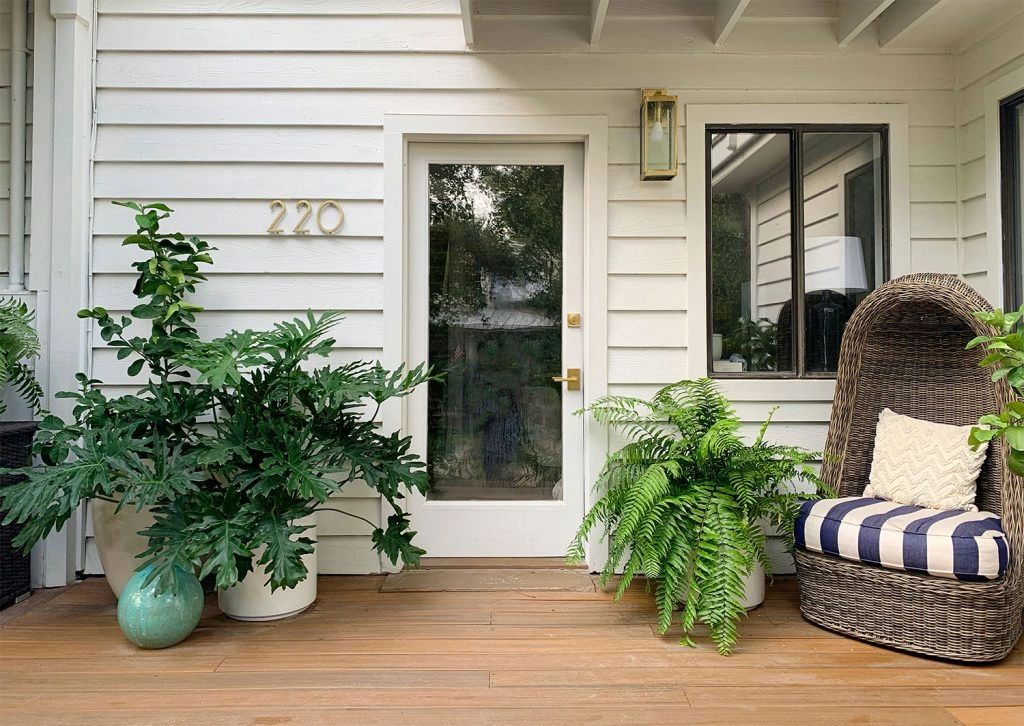
Pressure Washing and Maintaining Decks and Porches: A Comprehensive Guide
Introduction
Decks and porches are essential outdoor spaces that enhance the beauty and functionality of a home. However, they are also exposed to the elements, leading to dirt, grime, mold, and mildew accumulation over time. Regular maintenance, including pressure washing, is crucial to preserving their appearance and longevity. This article will explore the benefits of pressure washing, the best practices for maintaining decks and porches, and tips for ensuring these outdoor areas remain inviting and safe.
Understanding Pressure Washing
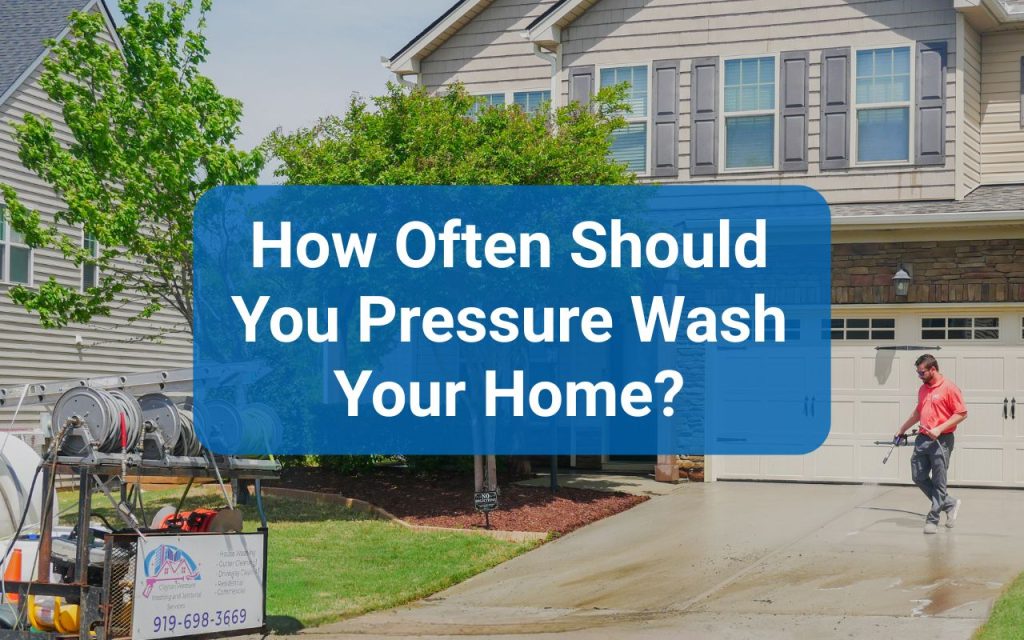
Pressure washing, or power washing, involves using high-pressure water spray to remove dirt, grime, mold, and other debris from surfaces. It is an effective method for cleaning decks and porches, as it can reach into crevices and remove stubborn stains that traditional cleaning methods may miss.
Benefits of Pressure Washing Decks and Porches
- Enhanced Curb Appeal: A clean deck or porch significantly improves the overall appearance of your home, making it more inviting and attractive.
- Preventative Maintenance: Regular pressure washing helps prevent the buildup of mold and mildew, which can cause damage to wood and other materials over time.
- Safety: Slippery surfaces due to algae or mold can pose safety hazards. Pressure washing removes these hazards, reducing the risk of slips and falls.
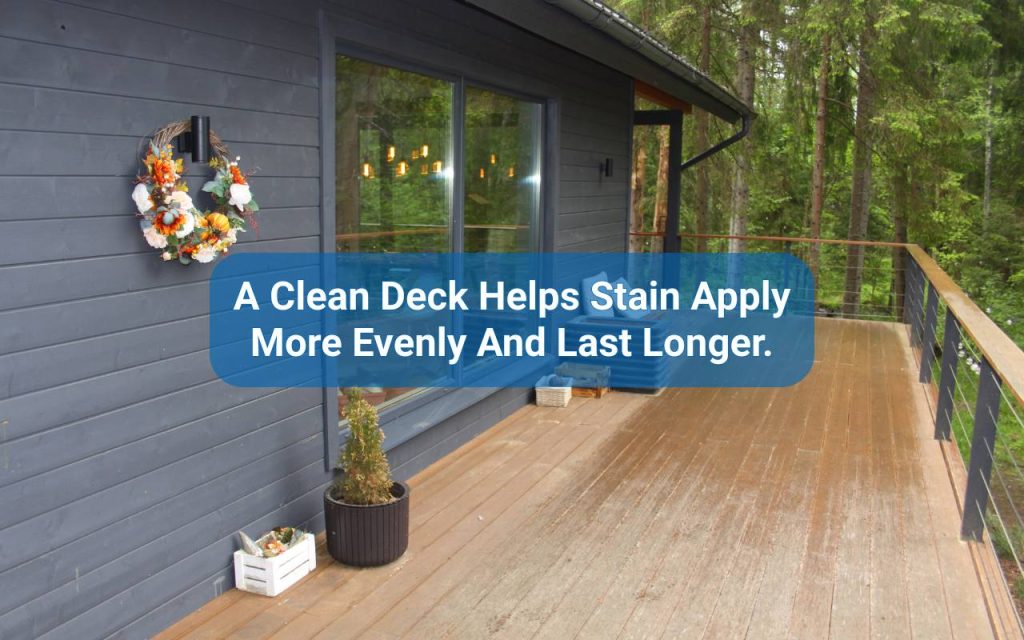
- Preparation for Staining or Sealing: If you plan to stain or seal your deck, pressure washing is an essential step to ensure the new finish adheres properly.
Best Practices for Pressure Washing Decks and Porches
- Choose the Right Equipment: Use a pressure washer with adjustable pressure settings. For wood decks, a pressure setting of 500 to 600 PSI is usually sufficient. Higher pressures can damage the wood.
- Select Appropriate Detergents: Use eco-friendly detergents specifically designed for pressure washing. Avoid harsh chemicals that can harm plants and the environment.
- Clear the Area: Before starting, remove furniture, plants, and any other obstacles from the deck or porch. This ensures a thorough cleaning and prevents damage to items left behind.
- Test a Small Area: Before washing the entire surface, test the pressure washer on a small, inconspicuous area to ensure it does not damage the material.
- Use the Right Technique: Hold the nozzle at a 45-degree angle and maintain a distance of about 12-18 inches from the surface. Move the nozzle in a sweeping motion to avoid concentrating the spray in one spot.
- Rinse Thoroughly: After applying detergent and scrubbing, rinse the surface thoroughly with clean water to remove all soap residues.
- Allow to Dry: Let the deck or porch dry completely before replacing furniture or applying any finishes.
Maintaining Decks and Porches
In addition to pressure washing, regular maintenance is essential for keeping decks and porches in top condition. Here are some key maintenance tips:
- Regular Inspections: Inspect your deck or porch at least twice a year for signs of damage, such as loose boards, nails, or signs of rot. Early detection can prevent costly repairs.
- Cleaning: Sweep the surface regularly to remove debris, leaves, and dirt. This prevents mold growth and keeps the area looking tidy.
- Staining and Sealing: Apply a protective stain or sealant every few years, depending on the material and exposure to the elements. This helps protect against moisture and UV damage.
- Repair Damage Promptly: Address any issues, such as loose boards or damaged railings, as soon as they arise to prevent further deterioration.
- Furniture Care: Use furniture covers or store outdoor furniture during harsh weather to prolong its life and maintain the appearance of your deck or porch.
- Gutter Maintenance: Ensure gutters are clean and functioning properly to prevent water from pooling on your deck or porch, which can lead to rot and mold.
Conclusion
Maintaining decks and porches through regular pressure washing and upkeep is essential for preserving their beauty and functionality. By following the best practices outlined in this article, homeowners can ensure their outdoor spaces remain safe, attractive, and inviting for years to come. Regular maintenance not only enhances curb appeal but also protects the investment in your home, making it a worthwhile endeavor.