
The Ultimate Guide to Chemicals Used in Pressure Washing: Keeping Your Surfaces Clean and Bright
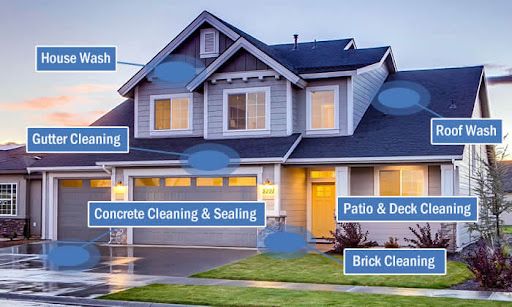
When it comes to exterior cleaning, pressure washing is one of the most efficient solutions. Whether it’s your home, driveway, fleet trucks, or roofs, using the right chemicals can make a significant difference in the cleanliness and longevity of your surfaces. If you’re within 25 miles of Clayton, NC, we at Clayton Pressure Washing are here to help you achieve the best results.
In this article, we will explore various chemicals suitable for pressure washing different surfaces including houses, concrete, fleet trucks, aluminum, and roofs. We’ll also touch on safety considerations and why you should choose a professional service like Clayton Pressure Washing.
1. Understanding Pressure Washing Chemicals
Before diving into specific chemicals, it’s vital to understand what pressure washing entails. Pressure washing utilizes high-pressure water spray to remove dirt, grime, mold, mildew, and other unpleasant contaminants from various surfaces. The addition of appropriate chemicals can enhance this process by breaking down stubborn stains and protecting surfaces.
Common Types of Chemicals Used:
- Alkalis: Effective for breaking down fats, grease, and oils, making them ideal for kitchen and garage surfaces.
- Acids: Useful for removing rust stains and mineral deposits.
- Surfactants: These soaps or detergents help lift dirt and grime, ensuring a thorough wash.
- Oxidizers: Chemicals like bleach can kill mold and mildew.
2. Chemicals for Washing Houses
a. Sodium Hypochlorite (Bleach)
Sodium hypochlorite is widely used in cleaning homes due to its effectiveness against mold, mildew, and algae. For vinyl siding, a mixture of bleach and water (usually a 50/50 mix) is generally recommended. This solution will not only clean the exterior but also prevent regrowth of these organisms.
b. Surfactant Additives
Adding a surfactant to the bleach mixture helps it adhere to vertical surfaces better, allowing for prolonged exposure to the stains and providing a more efficient cleaning process.
c. Mild Detergents
For standard cleaning, mild detergents can be effective. These are particularly useful for homes with painted surfaces or sensitive materials.
3. Chemicals for Concrete
a. Alkaline Cleaners
Concrete, often found in driveways and sidewalks, can harbor oil stains and grime. Alkaline cleaners are perfect for breaking down and lifting these stains. Products containing sodium hydroxide or potassium hydroxide can be particularly effective.
b. Acidic Cleaners
For rust stains, an acidic cleaner such as muriatic acid or phosphoric acid can be used. However, caution must be taken when using acids, as they can damage surrounding vegetation.
c. Oxygen Bleach
For a more eco-friendly option, oxygen bleach is a great alternative. It’s effective for mold and mildew but does take longer to show results compared to chemical bleach.
4. Chemicals for Fleet Trucks
a. Degreasers
Fleet trucks often accumulate oils and grease that require powerful degreasers. Most degreasers contain surfactants that help break down these tough residues effectively.
b. Acid-Based Cleaners
For removing road grime and other hard-to-clean contaminants, acid-based cleaners can be applied. Just like with concrete, protection for surrounding surfaces should be considered when using acid.
5. Chemicals for Aluminum Surfaces
a. Safe Soaps and Detergents
When dealing with aluminum siding or components, it’s crucial to use non-corrosive and safe soaps. Products specifically labeled for aluminum cleaning should be utilized to avoid chemical damage.
b. Oxalic Acid
Oxalic acid is another option for removing rust stains from aluminum, particularly if you find any discoloration. However, ensure it’s thoroughly rinsed away to prevent damage.
6. Chemicals for Roof Cleaning
a. Sodium Hypochlorite
Similar to house washing, sodium hypochlorite is commonly used for roof cleaning to eliminate algae and lichen growth. A diluted solution is recommended to protect shingles.
b. Essential Oils and Eco-friendly Cleaners
For those interested in an eco-friendly option, essential oil-based cleaners or vinegar solutions can be effective alternatives that mitigate potential damage while still cleaning efficiently.
c. Biodegradable Roof Cleaners
There are also specialized biodegradable cleaners formulated explicitly for roof cleaning, minimizing the impact on the environment while providing effective results.
7. Importance of Professional Pressure Washing
While it’s possible to undertake pressure washing yourself, hiring a professional service like Clayton Pressure Washing ensures:
- Expertise: Knowledge of the right chemicals and techniques for each surface.
- Safety: Professionals are well-trained to protect themselves and your property from potential hazards.
- Equipment: Access to powerful pressure washers and quality chemicals that may not be available to the average consumer.
Conclusion
When it comes to pressure washing, selecting the right chemicals is essential for achieving the best results. By understanding the distinct needs of different surfaces, you can keep your home and property looking pristine.
If you’re in Clayton, NC, consider contacting Clayton Pressure Washing for expert service and advice on the best cleaning methods for your specific needs. Visit our contact page at Clayton Pressure Washing Contact for more information. Your home deserves the best care, and we’re here to provide it!