Pressure Washing Oxidation: A Comprehensive Guide to Restoring Surfaces
Pressure washing has become a go-to solution for homeowners and professionals looking to maintain and restore the appearance of outdoor surfaces. One of the most common challenges encountered during these cleaning sessions is oxidation. Oxidation, while not always easy to spot, can significantly affect the aesthetics and longevity of various materials. In this article, we’ll explore what oxidation is, why it happens, and how pressure washing can effectively address this issue.
Understanding Oxidation
Oxidation occurs when a material, typically metal or a coated surface, reacts with oxygen over time. This process often results in discoloration, chalkiness, and a degraded appearance. While oxidation is commonly associated with rust on metal surfaces, it can also affect painted surfaces, vinyl siding, and even aluminum.
For example:
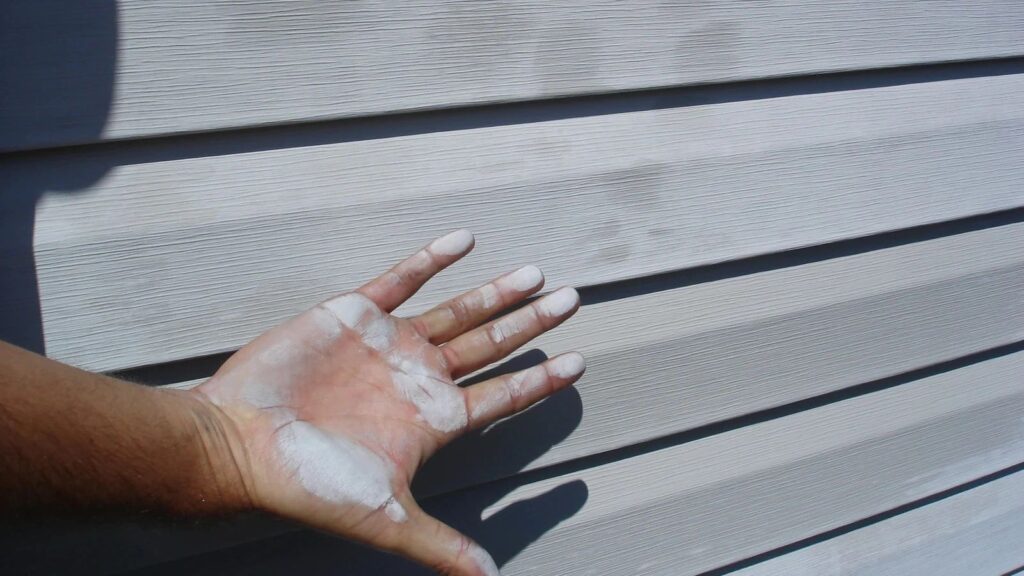
• Vinyl Siding: Oxidation on vinyl siding often appears as a chalky residue caused by prolonged exposure to UV rays.
• Aluminum Surfaces: Oxidation can result in dull, powdery finishes on aluminum siding, gutters, and fences.
• Metal Structures: Rust and pitting are common oxidation issues on iron and steel due to moisture exposure.
Addressing oxidation effectively requires an understanding of the surface material and the extent of the damage.
Why Oxidation Matters
Ignoring oxidation can lead to long-term problems, including:
1. Reduced Curb Appeal: A chalky or rusted surface diminishes the appearance of your home or property.
2. Structural Damage: In severe cases, oxidation can weaken metal structures, making them unsafe.
3. Costly Repairs: Over time, untreated oxidation may require extensive repairs or replacements.
By using pressure washing as a preventative and restorative measure, property owners can save money and maintain the integrity of their surfaces.
The Role of Pressure Washing in Removing Oxidation
Pressure washing is a highly effective method for removing oxidation, as it combines water pressure and cleaning solutions to break down and remove residue. However, it’s essential to use the correct techniques and tools to avoid causing damage. Below are the steps and considerations for tackling oxidation with a pressure washer:
1. Surface Inspection
Before starting, inspect the surface to determine the extent of oxidation. This will help you decide on the appropriate pressure setting, cleaning solution, and nozzle type.
• For vinyl siding, look for a chalky residue.
• For aluminum, check for powdery deposits or pitting.
• For metal, identify rust spots and weakened areas.
2. Choosing the Right Equipment
Not all pressure washers are created equal, and selecting the right one is critical for oxidation removal:
• PSI (Pounds per Square Inch): For delicate surfaces like vinyl, a lower PSI (1,200–1,500) is recommended. For tougher materials like metal, higher PSI (2,000–3,000) may be necessary.
• Nozzle Type: Use a wide-angle nozzle (25 or 40 degrees) to prevent concentrated pressure that could damage surfaces.
3. Applying Cleaning Solutions
Pressure washing alone may not be enough to remove oxidation, especially on surfaces with severe buildup. Use an oxidation-specific cleaning solution designed for your surface type.
• Vinyl Siding Cleaners: Look for a solution with mild detergents and oxidation removers.
• Metal Cleaners: Use rust removers or metal cleaners with oxalic acid for tougher jobs.
• Aluminum Cleaners: Opt for a non-corrosive cleaner to protect the material.
Apply the solution evenly using a spray attachment or a pump sprayer and allow it to dwell for 5–10 minutes before rinsing.
4. Pressure Washing Technique
Proper technique is key to effective oxidation removal without causing damage:
• Hold the nozzle at a 45-degree angle to the surface to avoid direct impact.
• Maintain a consistent distance of 12–18 inches between the nozzle and the surface.
• Use long, sweeping motions to ensure even cleaning.
5. Rinse Thoroughly
After pressure washing, rinse the surface thoroughly to remove any remaining cleaning solution. Leftover chemicals can lead to discoloration or further oxidation over time.
Special Considerations for Different Materials
Each material requires unique care when addressing oxidation:
Vinyl Siding
Vinyl siding is prone to UV damage and oxidation. Using a low-pressure setting and a mild cleaning solution is essential. Avoid using excessive pressure, as it can warp or crack the siding.
Aluminum Surfaces
Aluminum is lightweight and durable but can oxidize easily. Use a specialized aluminum cleaner and avoid harsh chemicals like bleach that could corrode the material.
Metal Surfaces
For rusted metal, additional steps may be necessary, such as sanding or using a rust converter after pressure washing. This will help prevent further oxidation and prepare the surface for painting or sealing.
Post-Washing Maintenance
Once oxidation has been removed, it’s crucial to take steps to prevent its recurrence:
1. Sealing and Coating
Apply a protective coating or sealant to the surface. This provides a barrier against oxygen, moisture, and UV rays, which are primary contributors to oxidation.
2. Regular Cleaning
Periodic cleaning with a pressure washer can help maintain the surface’s appearance and prevent oxidation buildup. Aim for at least twice a year, especially for surfaces exposed to harsh weather conditions.
3. Inspect for Early Signs
Regularly inspect surfaces for early signs of oxidation. Addressing minor issues promptly can prevent them from becoming major problems.
When to Call a Professional
While DIY pressure washing can be effective for minor oxidation, more severe cases may require professional intervention. Here’s when to consider hiring an expert:
• The oxidation is extensive and stubborn.
• You lack the appropriate equipment or cleaning solutions.
• The surface is delicate or has structural damage.
Professional pressure washing services have the expertise and tools to tackle tough oxidation without causing harm to your property.
Conclusion
Oxidation is a common but manageable issue for many outdoor surfaces. By understanding the causes and effects of oxidation and leveraging the power of pressure washing, you can restore the appearance and integrity of your property. Whether you’re cleaning vinyl siding, aluminum surfaces, or metal structures, the right techniques and tools can make all the difference.
With regular maintenance and preventative measures, you can keep your surfaces looking their best and avoid costly repairs in the future. If you’re unsure about tackling oxidation yourself, don’t hesitate to consult a professional for assistance.
Pressure washing isn’t just about cleaning—it’s about preserving and enhancing the life of your surfaces. Start your oxidation removal journey today and experience the transformative results for yourself!